
Universities Launch Collaborative Research Programme on Integrated Motor Drives to Support UK Net Zero Goals
Published on Thursday 8 January, 2026
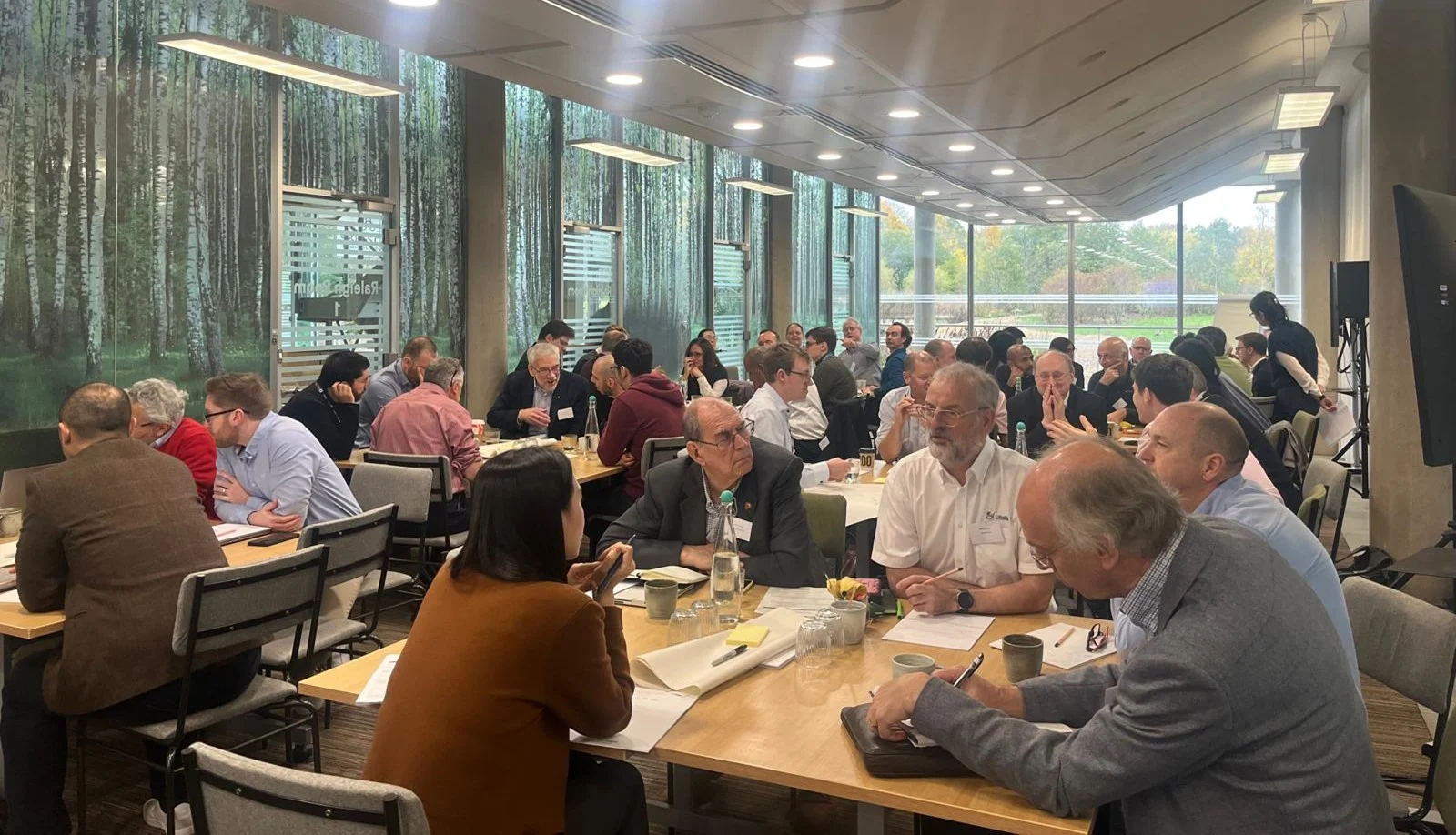
Researchers from the Universities of Nottingham, Newcastle and Bristol have officially launched a major collaborative research programme entitled Sustainable, Multi-sector Electrification using Advanced Integrated Motor Drive Technologies (AIMD) which focuses on Integrated Motor Drives (IMDs), a key enabling technology for the UK’s transition to net zero.
The programme was formally inaugurated at a kick-off meeting bringing together academics, industry partners and policymakers. Led by Programme Director Dr Liliana de Lillo (University of Nottingham), and with Dr Xu (Daisy) Deng (Newcastle University lead) and Professor Nick Simpson (University of Bristol lead) as core collaborators, the initiative combines expertise across electrical machines, power electronics, thermal management and manufacturing.
IMDs integrate electric motors and power electronics into compact, high-efficiency systems. As electrification is expected to deliver the majority of emissions reductions needed to meet the UK’s legally binding 2050 net zero target, improving the efficiency, sustainability and manufacturability of motor drives is critical.
The research programme is structured around three themes: underpinning technologies, application demonstrators and impact acceleration. Demonstrators will span sectors including wind energy, pumps, propulsion and high-power-density systems, while lifecycle analysis, standards development and policy engagement will ensure pathways to real-world adoption.
Industry perspectives, including input from Daniel Fung, Head of Strategy and Planning at the Advanced Propulsion Centre, highlighted the importance of integration, thermal management and collaboration in overcoming barriers such as reliability, supply chains and customer acceptance.
By combining multidisciplinary research with strong industry engagement, the programme aims to deliver sustainable, high-performance motor drive technologies that support UK innovation, skills development and net zero ambitions.
By combining multidisciplinary research with strong academic leadership, active industry engagement and a clear focus on impact, the AIMD research programme aims to deliver technologies that are not only high-performing, but also sustainable, repairable and ready for real-world deployment.
“This project is about more than technology,” said Prof. Bill Drury, who chaired the morning session. “It’s about aligning research, industry and policy to deliver solutions that work – for the economy, for society and for net zero.”
Dr Peter Tavner, Emeritus Professor at Durham University who attended the meeting added: ” As an electrical machines person I’ve often pondered our technology’s backwardness. I’ve seen how power electronics flexibility has progressively overshadowed machines’ technology. That’s beginning to change and the AIMD project is part of making it happen.”.